Surveillance is a management strategy. Trust is a leadership strategy.
If you need AI to watch your employees all day, the problem probably isn’t your employees.
Why am I bringing this up?
Well, a trend in workplace technology has started to make me really uncomfortable. More companies are deploying AI tools to monitor employee behavior throughout the day.
Keyboard activity
Application usage
Response times
Digital “engagement” (based on digital activity)
Meeting behavior
Using pc cameras to monitor physical presence
Productivity patterns
The pitch is always the same-
“If leaders can see everything, productivity will improve.”
But that raises a bigger question for me -
If an organization feels the need to watch every employee all day long…what problem are they actually trying to solve?
Because in many cases, the real issue isn’t productivity.
It’s leadership clarity and trust.
The best teams I’ve worked with weren’t successful because someone monitored every click. They were successful because expectations were clear, ownership was defined, and people were trusted to do their jobs. That last bit? That's really important. Hiring people you can trust and actually trusting them to do the job you hired them for.
It opens your teams up for success in ways leaders often don't expect. It signals to your people that you believe they are capable. And that signal pushes them to prove to you that they are capable, oftentimes in ways you don't even know. It spurs innovation.
Conversely, I've seen the best teams turned into the least productive teams with micromanagement. Teams that were doing research and training on their own time, then bringing that to the table to solve micro-problems. Teams that were staying late to brainstorm and test their theories. Teams that openly and actively participated in meetings to provide updates, talk about potential solutions to problems, and bring problems to the table for discussion and solution.
They. Just. Shut. Down.
Micro-management shuts people down in the blink of an eye. They clock in right on time. They do only what's been assigned and only the bare minimum of what's expected / stated. They hold a seat in meetings, but don't speak up. They don't volunteer. They take every lunch. They clock out exactly on time. (As an aside, I fully support employees only working what they're contracted to work. We all deserve real-life time. I'm only highlighting this from the attitude perspective.)
The best teams don’t operate under constant surveillance.
They operate under shared expectations and mutual trust.
Strong teams don't need constant monitoring. They need clarity about how success happens.
Good leadership creates clarity around:
what success looks like
who owns what
how work moves through the system
how outcomes are measured
When those things are clear, leaders don’t need to watch every click. They can look at outcomes. And then make micro-adjustments to improve outcomes. This works really well when team members are allowed to contribute to those adjustments.
No - I'm not against all AI. Technology absolutely has a role in helping organizations work better.
AI can help organizations in powerful ways.
But replacing leadership with surveillance isn’t one of them.
To reiterate, the argument behind them is simple (and always the same):
If leaders can see everything their teams are doing, productivity will improve.
But, the message to employees is quite clearly -
“We don’t trust you to do your work without supervision.”
And when that message lands, something important begins to erode.
Psychological safety.
Ownership.
Professional pride.
So, back to previous discussions - how can AI help organizations without collapsing a positive corporate culture?
AI can assist with analysis, forecasting, and decision support. Specific AI models can build scripts and small blocks of code, vastly increasing the speed of automation efforts. It can help build auto-responses that are professional and tailored to your specific business.
But when technology is used to compensate for a lack of leadership clarity, it rarely solves the real problem.
It just makes the environment colder and more transactional.
People don’t do their best work when they feel watched.
They do their best work when they feel trusted.
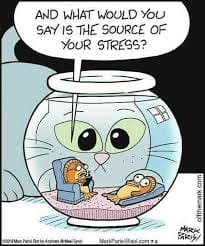
Questions Worth Asking This Week
If your organization finds itself considering AI tools to monitor every employee’s behavior, it might be worth asking a different question first:
Do we have the kind of clarity, ownership, and expectations that allow trust to exist?
Because the most effective workforce management system has never been surveillance.
It’s leadership.
And if your organization needs a space to step back, clarify priorities, and rebuild trust in how work gets done, that’s exactly the kind of problem we help solve.
💬 Your Turn
Have you found any hidden gem ways to use AI that have grown your team productivity? We'd love to hear!
Are tools like this the future of productivity… or a step too far?
Would love to hear your thoughts.
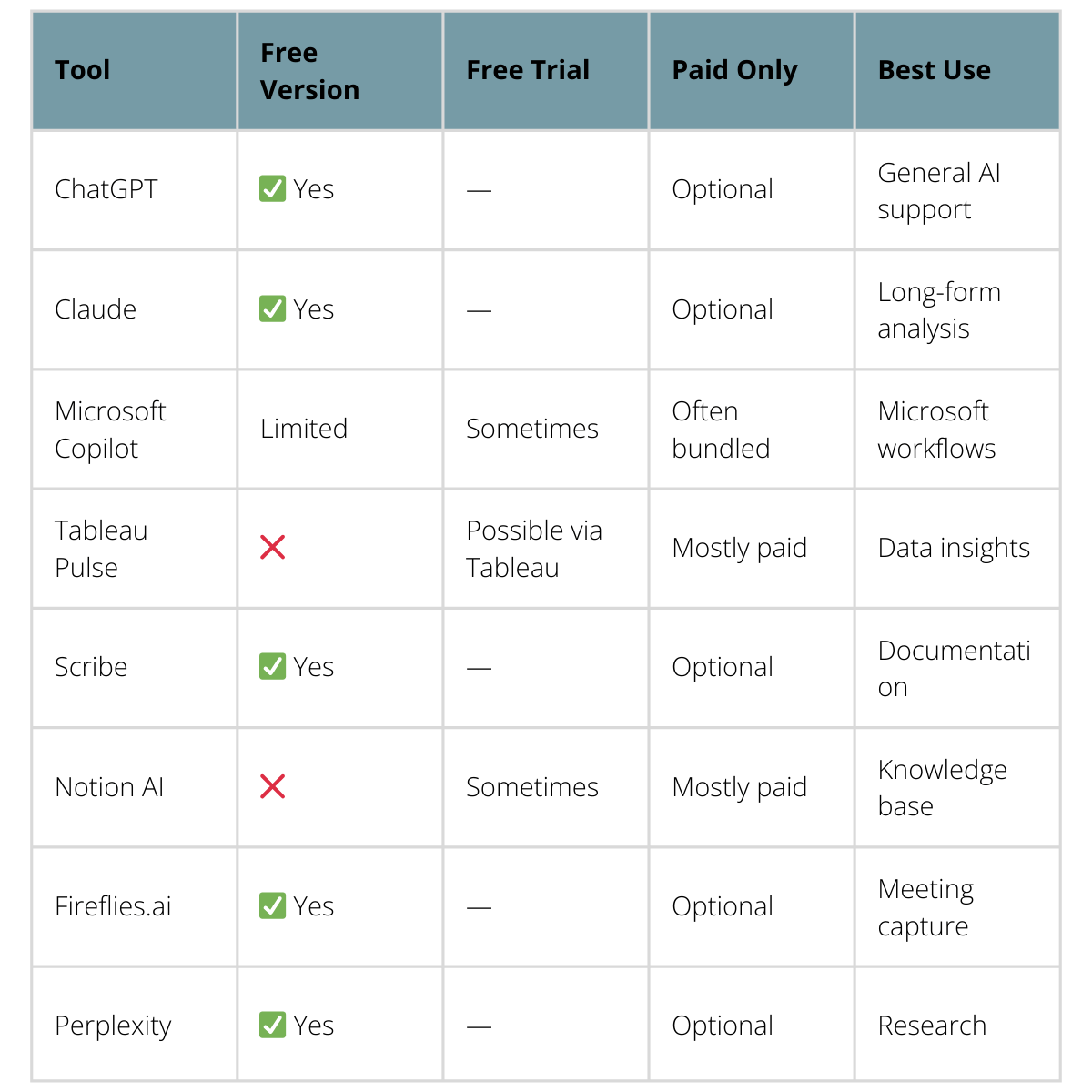
Quick Guide
Find me on LinkedIn

support@wolfdiversified.com
Subscribe to our weekly newsletter for insights on project management, technical strategy, and leadership. Instantly get our free guide: the 7 problems we’re most often called in to fix — and what you can do about them.